

Can a single product recall erase years of shareholder gains in a single day?
Recalls often spark fast, measurable stock drops, driven by repair costs, lawsuits, and shaken consumer trust.
This piece shows how market moves unfold: the immediate price shock, the key drivers behind different severities, and the longer-term hits to revenue and valuation.
You’ll get a clear framework to estimate likely stock fallout and the exact signals investors should watch next: units affected, injuries, regulatory scrutiny, company size, and the company’s response.
Market Impact of Product Recalls
Product recalls hit stock prices fast. Within minutes of going public, investors start selling, spooked by unknowns: total costs, potential lawsuits, brand damage. A recall says something went wrong in quality control or design, raising doubts about management and future profits. The immediate selloff reflects both the costs you can calculate (refunds, logistics, legal reserves) and the stuff that’s harder to measure, like reputational harm that eats into customer loyalty and sales down the road.
How hard a stock drops depends on how bad the recall looks. Millions of units with injuries or deaths? Expect a sharp fall. Limited batch fix with no safety incidents? Much milder. Investors dig into the details: How many products? Any reported injuries? What’s the estimated cost? Did the company set aside enough reserves? They also look at track record. A first-time slip by a company with strong safety credentials gets forgiven faster than a repeat offender with compliance issues.
Several factors decide whether you’re looking at a 2 percent dip or a 20 percent crash. Company size matters. A $100 million recall can kill a small manufacturer but barely dent a multinational pulling in tens of billions. Industry context is huge. Auto and pharma recalls get harsher reactions because safety failures can mean deaths and massive regulatory fines. Speed and transparency shape the outcome too. Companies that quantify the problem right away, allocate reserves, and lay out a fix plan see smaller sustained drops than those issuing vague statements or leaking bad news over weeks.
Five primary drivers of market response to a recall:
- Human harm reported – Injuries or deaths mean bigger legal exposure and media coverage, steeper stock drops.
- Units affected and geographic reach – Larger scope signals higher costs and greater disruption.
- Regulatory and criminal scrutiny – Government probes add uncertainty about fines, mandated fixes, and potential criminal liability.
- Company financial health and size – Smaller firms with thin margins get hit disproportionately. Larger firms absorb the same absolute cost more easily.
- Quality of crisis communication – Transparent, fast disclosure with clear cost estimates and timelines reduces the uncertainty premium investors slap on the stock.
Immediate Stock Price Effects

Stocks often see their sharpest fall in the first hours after a recall breaks. Intraday moves can be wild. Announcement-day drops commonly range from negative 2 to 5 percent for moderate recalls, but severe safety-related ones have triggered single-day declines over 10 percent, sometimes over 20. Trading volume spikes as institutional investors reassess and retail holders react to alerts. Speed and size of the drop depend on whether the recall hits during market hours, how clear the initial disclosure is, and how fast analysts can model the financial hit.
The news cycle plays a big role in shaping immediate reactions. A recall announced pre-market with detailed cost estimates and a clear plan gives traders time to digest. Often you see a sharp open followed by stabilization. Mid-session surprise announcements, especially vague ones, can produce volatile swings as algorithms and momentum traders pile on. Media framing matters. Headlines screaming injuries or regulatory failures drive heavier selling than headlines focused on voluntary precautionary measures.
Typical short-term declines cluster in predictable ranges based on severity. Minor recalls with no injuries and limited scope might dip 1 to 3 percent and recover within days. Moderate recalls involving thousands of units and potential injury claims often see 3 to 8 percent drops in the first week. High-severity recalls—confirmed fatalities, multi-million unit scope, or major regulatory probes—can push stocks down 10 to 25 percent in the initial days, with continued pressure as analysts revise earnings and legal costs become clearer.
Long-Term Financial and Stock Market Consequences

The long-term stock damage from a recall stretches way beyond the announcement-day drop. Revenue suffers as recalled products get pulled, consumer confidence erodes, and retailers cancel or cut orders. For companies whose flagship product is recalled, the sales hit can last quarters or years. Profit margins compress as direct recall costs (logistics, refunds, replacements) stack up alongside higher marketing spend to rebuild trust and elevated legal expenses for ongoing litigation. Analysts revise down earnings forecasts, and those downgrades compound the valuation pressure.
Litigation and regulatory penalties unfold over long timelines, creating waves of negative news that re-trigger stock drops. Personal injury lawsuits can drag on for years, and early court rulings or jury verdicts often spark fresh selloffs as investors recalibrate total liability. Securities fraud class actions add another layer, plaintiffs claiming the company misled investors about product safety, propping up the stock before the recall truth came out. Regulatory fines and compliance mandates (equipment upgrades, third-party audits, mandatory reporting) impose ongoing costs. For severe cases, cumulative legal and regulatory expenses can hit billions, materially altering a company’s financial profile.
Long-term investor confidence hinges on the company’s response and what caused the recall. Firms that transparently disclose problems, swiftly execute recalls, compensate affected customers, and implement visible fixes (supplier changes, new testing protocols, leadership accountability) tend to recover investor trust within 12 to 24 months. Companies that minimize the issue, resist regulatory cooperation, or suffer repeat recalls face prolonged underperformance, often trailing industry peers by 10 to 40 percent over multi-year periods. In extreme situations, especially for smaller firms without deep balance sheets, a major recall can lead to bankruptcy, wiping out shareholder value entirely.
Historical Case Studies of Major Recalls
Toyota 2010 Recall
Toyota’s 2009–2010 unintended acceleration recalls affected over 8 million vehicles globally and became one of the most scrutinized safety crises in automotive history. The stock dropped roughly 15 percent in the weeks following peak recall announcements and Congressional hearings in early 2010. Regulatory fines, legal settlements, and brand damage costs totaled several billion. The company faced intense media coverage and lost its long-held reputation for unmatched quality. Recovery took about two years. Toyota rebuilt trust through enhanced quality control investments, transparent safety reporting, and aggressive customer retention programs. By 2012, sales and stock price had largely recovered, though the recall permanently altered the company’s risk management culture.
Samsung Galaxy Note 7
Samsung’s 2016 Galaxy Note 7 recall stands as a textbook case of immediate and severe market impact. Reports of lithium battery fires prompted a global recall and ultimately full product discontinuation. Samsung’s stock fell around 7 to 8 percent in the days following the initial recall announcement, and the company estimated a multi-billion-dollar hit to operating profit for the product cycle. The reputational damage was significant. Consumers questioned Samsung’s engineering rigor, and competitors gained market share. Samsung responded with visible fixes: an eight-point battery safety check, third-party audits, and transparent communication. Within 12 months, strong sales of successor models and the broader product portfolio helped the stock recover, though the Note brand’s prestige was permanently dented.
Tylenol 1982
Johnson & Johnson’s 1982 Tylenol cyanide poisoning crisis—though product tampering rather than a manufacturing defect—remains the gold standard for crisis management. The company immediately recalled 31 million bottles (about $100 million retail value at the time) and halted advertising. J&J’s stock dipped short term, but the transparent, consumer-first response, combined with rapid introduction of tamper-resistant packaging, restored trust. Within a year, Tylenol regained most of its market share. The case showed that swift, transparent action and visible safety innovation can not only limit long-term stock damage but actually enhance brand reputation over time.
| Company | Recall Year | Immediate Stock Impact | Long-Term Outcome |
|---|---|---|---|
| Toyota | 2010 | ~15% decline over several weeks | Two-year recovery; brand and sales restored by 2012 |
| Samsung (Galaxy Note 7) | 2016 | 7–8% decline; multi-billion profit hit | 12-month recovery via successor products and safety reforms |
| Johnson & Johnson (Tylenol) | 1982 | Short-term dip; limited sustained damage | Market share and reputation recovered within one year |
Investor Sentiment and Behavioral Responses
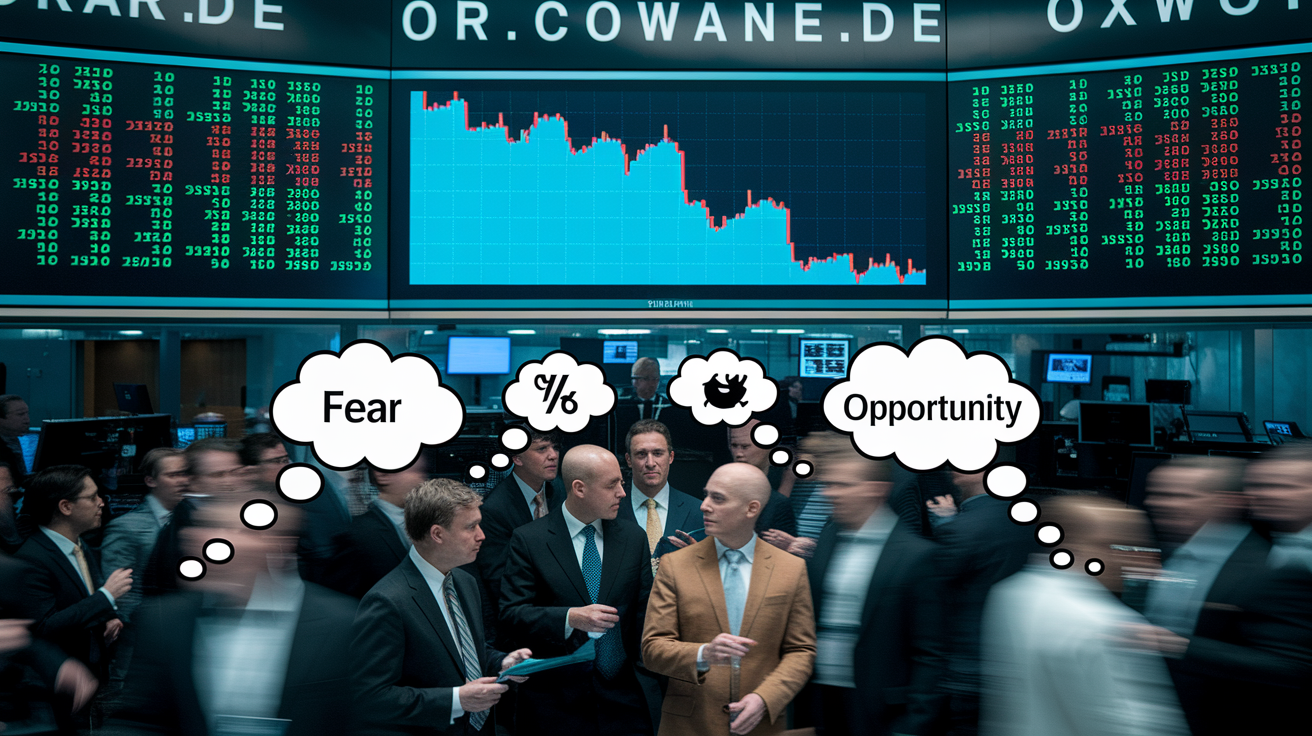
Investor reaction to recall news often amplifies the rational financial damage through psychological and behavioral effects. Fear of unknown liabilities and reputational harm drives herd selling. Once a stock starts falling on recall news, momentum traders and algorithms accelerate the decline, pushing the price below levels justified by disclosed costs alone. This overreaction creates short-term volatility spikes, with some stocks swinging 5 to 15 percent intraday before stabilizing as calmer analysis emerges.
Four common investor behavior patterns after recalls:
- Institutional flight – Mutual funds and pension managers quickly trim or exit positions to avoid headline risk and potential client questions, adding selling pressure in the first days.
- Retail panic and opportunity buying – Retail investors often sell on fear in the initial hours, but contrarian retail buyers enter if they think the selloff is overdone, creating volatile rebounds.
- Short seller activity – Hedge funds and short sellers increase bets against the stock, anticipating prolonged legal and reputational costs. Rising short interest can sustain downward pressure for weeks.
- Options market signals – Put option volume surges and implied volatility spikes around recall announcements, reflecting traders pricing in continued uncertainty and potential further declines.
Behavioral finance research shows investors systematically overweight recent bad news and underweight a company’s longer-term fundamentals during crises. A recall triggers availability bias. The vivid, negative event dominates thinking, causing investors to assign higher probabilities to worst case scenarios (bankruptcy, massive fines) than actuarial data would support. This sentiment-driven selling creates opportunities for disciplined investors who can separate temporary noise from permanent impairment, but it also means stock prices in the days after a recall may not reflect rational expectations of actual financial losses.
Risk Factors That Influence Stock Market Reaction Severity

The number of defective units and the geographic scope of the recall are foundational variables. A recall affecting 10,000 units in one country is operationally and financially manageable. A recall spanning 10 million units across 80 countries signals systemic quality failures, massive logistics costs, and global reputational damage. Investors calculate rough estimates of per-unit replacement costs and multiply by scope to gauge direct financial exposure. When those estimates reach hundreds of millions or billions, stock declines deepen accordingly.
Injury and fatality reports dramatically escalate market reactions. A precautionary recall with no documented harm may produce a 2 to 3 percent stock dip. The same product recall, if linked to hospitalizations or deaths, can trigger 10 to 20 percent declines as investors price in personal injury litigation, punitive damages, and regulatory penalties. Media coverage intensifies around human harm, amplifying reputational damage. Regulatory involvement also matters. Routine voluntary recalls supervised by standard agencies cause less alarm than recalls accompanied by criminal investigations, Congressional hearings, or multi-agency task forces, all of which signal elevated legal and compliance risks.
Brand strength and the company’s prior safety record influence how much benefit of the doubt investors extend. A company with decades of quality leadership and no recall history may see its stock recover quickly, as investors treat the event as an anomaly. A firm with repeated recalls, prior regulatory warnings, or a reputation for cost cutting at the expense of safety will face harsher, more sustained punishment. The affected product’s centrality to revenue is another key factor. If the recalled item represents 5 percent of sales, the long-term impact is limited. If it’s the company’s flagship product generating 40 percent of revenue, analysts will slash forecasts and the stock will reflect a structurally lower earnings base.
Industry-Specific Variations in Recall Consequences

Automotive and aerospace recalls typically produce the largest immediate stock declines due to high unit values, safety-critical nature of products, and intensive regulatory oversight. A single airbag or brake system defect can affect millions of vehicles and trigger multi-year recall campaigns with per-unit replacement costs in the hundreds of dollars. Regulatory agencies (NHTSA in the U.S., equivalent bodies globally) impose strict reporting and corrective action timelines, and criminal penalties for concealing defects are severe. Long-term recovery in automotive often takes 18 to 36 months, as litigation and regulatory settlements unfold slowly and brand perception shifts are measured in vehicle generations.
Pharmaceutical and medical device recalls show extreme sensitivity to human harm. Because drugs and devices directly affect health, any link to adverse events, especially fatalities, can result in double-digit stock declines within days. Regulatory agencies (FDA, EMA) can halt sales, mandate clinical trial reviews, or revoke approvals, creating existential risks for smaller biotech firms whose product pipeline depends on a single drug. Market share losses can be permanent if competing therapies fill the gap during a prolonged recall. Recovery timelines vary widely. If the issue is a contamination event in one facility, stocks may rebound in 6 to 12 months. If the problem is a fundamental safety flaw in the molecule or device, the product, and associated revenue, may never return.
Consumer electronics and food/beverage sectors exhibit faster recovery patterns when managed well, but can suffer sharp short-term hits. Battery fire recalls in electronics (smartphones, laptops, e-scooters) produce immediate 5 to 10 percent drops and intensive media scrutiny, but strong follow-on product launches and transparent safety upgrades can restore investor confidence within a year. Food and beverage recalls, often tied to contamination or allergen mislabeling, cause acute sales disruptions and retailer de-listings, but robust traceability systems and rapid remediation (product replacement, compensation) allow many firms to recover within two to four quarters. Social media amplifies reputational risk in both sectors, as viral posts about defects or contamination reach millions instantly, compressing the time window for effective crisis response.
| Industry | Typical Immediate Impact | Recovery Pattern |
|---|---|---|
| Automotive / Aerospace | 5–15% stock decline; high direct costs | 18–36 months; prolonged litigation and regulatory settlements |
| Pharmaceuticals / Medical Devices | 10–25% decline if safety issues; potential market-share loss | Variable; 6–12 months for contamination, permanent if core safety flaw |
| Consumer Electronics / Food & Beverage | 5–10% decline; acute sales disruption | 6–12 months with strong remediation; social media risk requires rapid response |
Corporate Response and Damage-Control Strategies

Companies that move quickly to disclose the full scope of a recall, quantify estimated costs, and outline a clear remediation timeline reduce the uncertainty premium that investors apply to the stock. Transparent communication means stating the number of affected units, the nature of the defect, any reported injuries, and the expected financial impact, including direct recall costs, potential legal reserves, and profit forecast revisions. Vague or incomplete initial announcements prolong volatility, as investors assume the worst and analysts issue wide-ranging estimates. Early, detailed disclosure lets the market price the news once, rather than suffering repeated downgrades as new information trickles out.
Swift corrective action signals management competence and reduces the duration of operational disruption. Rapid recall execution, efficient logistics for product returns, fast replacement or refund processing, and visible customer service support, demonstrates the company is prioritizing consumer safety and regulatory compliance. Establishing an independent investigation (third-party auditors, engineering reviews) and publicly committing to specific remedial steps (supplier changes, enhanced testing protocols, redesigned components) reassures investors the problem won’t recur. Companies that also announce management accountability measures, such as executive compensation clawbacks, new safety leadership appointments, or board oversight changes, often see faster stock price stabilization.
Five effective damage-control strategies that mitigate stock consequences:
- Immediate, comprehensive disclosure – Announce the full scope, estimated costs, and timeline upfront to eliminate uncertainty and prevent repeated negative surprises.
- Establish adequate financial reserves early – Publicly disclose a conservative litigation and recall cost reserve. Under-reserving forces later revisions that re-trigger stock declines.
- Launch independent safety audits and publish findings – Third-party validation of corrective actions rebuilds investor and consumer trust faster than internal assurances alone.
- Implement visible customer compensation or settlement programs – Proactive goodwill payments, extended warranties, or no-cost replacements reduce litigation risk and demonstrate consumer-first values.
- Engage insurers and leverage product recall coverage – Disclose insurance recoveries to offset balance sheet impact. Insurers also provide crisis management consultants and logistics support that accelerate recall execution.
Optional Data Visualization Opportunities
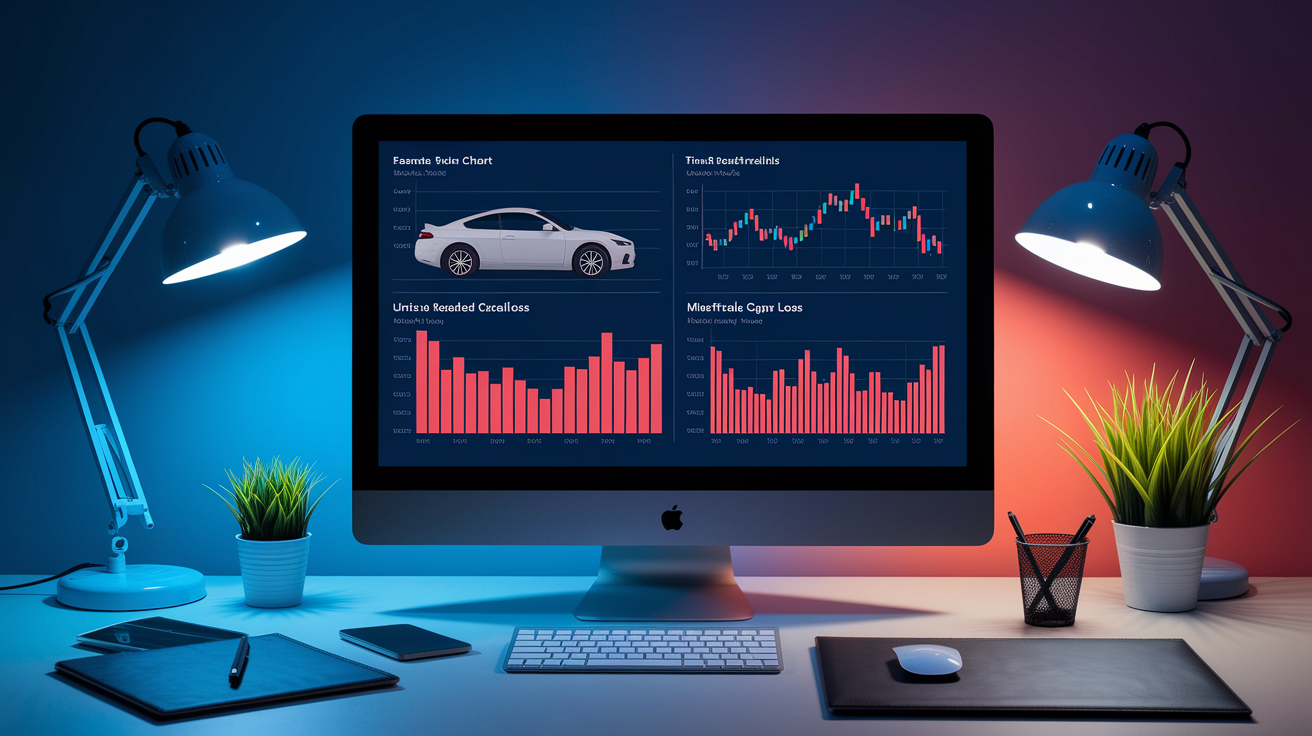
Visual representations of stock price movements around recall announcements help investors and analysts quickly understand volatility patterns, cumulative impacts, and recovery timelines. A time-series chart plotting normalized stock price (indexed to 100 at the announcement date) from 30 trading days before through 365 days after the event provides clear context for both immediate and long-term consequences. Overlaying multiple recall cases on the same chart, color-coded by industry or severity, reveals common patterns: sharp drops in the first week, partial rebounds as initial panic subsides, and diverging long-term trajectories based on company response and litigation outcomes.
Three recommended graph types for recall impact analysis:
- Event study cumulative abnormal return (CAR) chart – Shows percentage stock performance relative to a market benchmark over defined windows (e.g., [-1, +1], [-3, +3], [0, +30], [0, +365]), isolating recall-specific effects from broader market movements.
- Scatterplot of units recalled vs. market cap loss – Plots the number of units affected (log scale on x-axis) against percentage market capitalization decline (y-axis), with points sized or colored by industry, revealing the relationship between recall scope and investor reaction severity.
- Waterfall chart of total financial impact – Breaks down cumulative costs (direct recall logistics, regulatory fines, litigation settlements, lost sales, brand recovery marketing) as sequential bars, illustrating how initial estimates evolve into multi-year financial drains and helping investors assess whether current stock prices reflect full exposure.
Expert Commentary and Analyst Perspectives
Financial analysts play a big role in shaping market interpretation of recall events by issuing rapid reports that quantify expected impacts and revise earnings forecasts. Within hours of a recall announcement, sell-side analysts model direct costs (per-unit replacement estimates multiplied by affected volume), adjust revenue projections for lost sales, and estimate legal reserve requirements based on injury reports and prior case settlements. These analyst notes, often distributed to institutional clients before broader publication, drive initial trading flows and set the tone for whether the market views the recall as a manageable operational issue or a fundamental threat to the investment thesis.
Analyst perspectives also influence long-term sentiment. Downgrades to “sell” or “hold” ratings, especially from respected firms with deep sector expertise, amplify stock declines as index funds and institutional investors adjust holdings. Conversely, analysts who identify recalls as overblown, pointing to strong balance sheets, adequate insurance coverage, and effective crisis management, can stabilize or reverse selling pressure by highlighting value opportunities. Expert commentary in financial media, investor calls, and industry conferences provides qualitative context that quantitative models alone can’t capture: assessments of management credibility, comparisons to peer recall outcomes, and forward-looking views on whether the recall represents an isolated event or a signal of deeper quality control failures that could recur.
Final Words
Stocks often slide within hours of a recall as uncertainty, legal risk, and media coverage hit the tape. Severity, industry, and company response decide whether the dip is short-lived or stretches for quarters.
Clear, fast action from management (transparency, quick fixes, fair compensation) speeds recovery and calms investors. Watch legal costs, sales trends, and the next earnings call.
Understanding product recall announcement stock consequences helps you parse moves and spot buying windows. Stay focused — many firms recover when problems are handled well.
FAQ
Q: What happens after a product recall is announced?
A: After a product recall is announced, the company notifies regulators and customers, halts affected sales, offers repairs or refunds, and markets often see immediate volatility while investors reassess financial and reputational risk.
Q: What are the consequences of product recall?
A: The consequences of a product recall include direct recall costs, lost sales, short-term stock declines, legal and regulatory exposure, reputational damage, and possible multi-quarter revenue and margin pressure as remediation unfolds.
Q: Will a recall affect trade-in value?
A: A recall can affect trade-in value by lowering resale prices, especially if defects remain or safety issues persist; recoveries depend on fix availability, repair records, and buyer confidence.
Q: What are the legal implications of a product recall?
A: The legal implications of a product recall include regulatory investigations, fines, consumer lawsuits or class actions, warranty and indemnity claims, and potential criminal exposure if negligence or willful misconduct is found.